
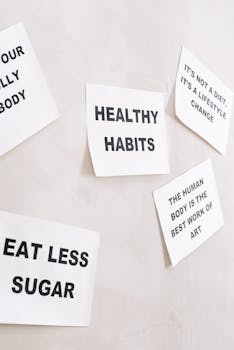
Some days pass by in a blur while others feel deeply nourishing and memorable. The difference usually comes from clarity and presence, even in the smallest routines.
When you understand why intentional living matters, choices start looking less like obligations and more like opportunities. Your habits, environment, and mindset shape the way each day feels, one moment at a time.
You’ll find practical ideas here to guide your choices, create positive momentum, and start living intentionally with more meaning and ease. Let’s explore what genuinely feels good and sustainable.
Choosing Priorities that Lead to Fulfilling Action
Identifying core priorities helps you act with purpose and reduce overwhelm. By clarifying what matters, intentional living becomes a natural extension of your daily decision-making.
Aligning actions with true values keeps effort focused. This approach lets you minimize clutter—mental, social, or physical—and devote your energy to what supports your unique sense of well-being.
Testing What Matters Most in Real-life Scenarios
If you’re choosing between overtime and a walk with your partner, pause and say aloud, “Which aligns better with my goals for this week?” Listen to your body’s reaction.
Feeling tension may signal misalignment. Intentionally ask yourself, “How will I feel tomorrow about the choice I make right now?” Use this mini-check-in to reset priorities on the spot.
Try tracking minor daily decisions and jotting down a word or two on how each aligns with your values. Over a week, observe which choices consistently support intentional living.
Building a Personal Filter for Commitments
Imagine a friend asks you to volunteer one night a week. Instead of an automatic yes, pause and use this script: “Can I check my current commitments and give you an answer?”
This short pause allows you to view the request in the context of your core motivations. It strengthens your intentional living practice by blocking autopilot agreements.
Use a three-step filter: (1) Does this serve my well-being? (2) Does it align with my values now? (3) Can I commit time and energy without resentment?
| Action | Emotion Felt | Time Commitment | Takeaway |
|---|---|---|---|
| Saying “no” to extra work | Relief, boundaries reinforced | Freed up 3 hours | Prioritize self-care for future well-being |
| Accepting social invites | Connection, energy boost | 2 hours every Friday | Stay mindful of your social limits |
| Adding a hobby | Joy, fulfillment | 1 hour twice weekly | Choose consistent, realistic time blocks |
| Overcommitting | Stress, frustration | Lost 4 hours for rest | Track your yeses and reflect monthly |
| Daily mindful practice | Calm, centered | 10 minutes daily | Create a morning or evening ritual |
Structuring Routines for Sustainable Growth
Creating routines supports intentional living because repetition shapes habits with care, not pressure. You’ll harness momentum as tiny, purposeful actions shape the arc of your everyday life.
Effective routines don’t box you in—they build a framework that lets you adapt with intention instead of reacting from habit or stress. Consistency fosters real growth.
Adapting Your Schedule to Reflect Your Real Priorities
Audit your weekly schedule for routines that energize you versus those that drain you. Highlight activities that support well-being and create space by removing those that don’t.
Revise with honesty: replace one energy-draining task this week with a nourishing one. If something isn’t aligned with your values, try phasing it out gradually for a smoother transition.
- Delete a recurring, non-essential task; this provides breathing room to experiment with new habits that actually matter to you.
- Add a daily 10-minute check-in; it anchors priorities and lets you recalibrate quickly when routines lose their purpose unexpectedly.
- Shift a task you dread to a different time or setting; changing context sometimes reveals untapped motivation or new approaches.
- Block non-negotiable self-care; make it visible in your calendar so it isn’t accidentally filled with others’ needs.
- Review routines every Sunday; consistency in reflection strengthens your sense of commitment and helps reinforce the intentional living mindset.
After a week, notice how your routines feel. Record a one-sentence takeaway: “This schedule supports my energy,” or “Next week, I’ll adjust dinner prep time for more ease.” This check-in sustains growth.
Responding to Burnout with Small, Built-in Breaks
Insert short resets into your routine if burnout creeps in. Say “I will step away for five minutes.” Stretch, breathe, or sip water without devices.
Building pauses into your day restores clarity and helps you maintain intentional living even under pressure. Use visible cues—set an alarm or put a sticky note where you work most.
- Stand to stretch after every task; low-effort motion boosts circulation and resets mental focus after repetitive work.
- Step outside for sunlight or air; a short change of scenery calms your nervous system, especially during tense or emotional moments.
- Use a breath reset—four deep inhales and exhales—whenever you notice frustration rising. Even a quick pause changes your entire mood dynamic.
- Switch to a new task after ninety minutes; ending a session intentionally reduces fatigue and prevents reactive choices later.
- Write a single word reflecting your energy level hourly; tracking patterns helps you adjust routines before burnout worsens unexpectedly.
Tiny pauses help protect your well-being. Even in the busiest schedule, building these breaks keeps intentional living realistic and nurturing day to day.
Applying Environment Design for Lasting Change
Adjusting your surroundings eliminates friction and shapes behaviors that reinforce intentional living every time you enter your favorite spaces. Personalized design cues boost follow-through.
Anchoring New Habits in Your Environment
Arrange items where you’ll see them right before the intended habit. Place your journal on your pillow to encourage evening reflection, or set workout shoes by the door after work.
Visual cues link intentions to action automatically. A dedicated water bottle on your desk reminds you to drink without additional effort, embedding healthy routines naturally.
If clutter returns, recall why you designed the space a certain way. Refresh the layout monthly—just as gardeners tend plants, weeding strengthens the original design’s impact.
Swapping Out Triggers That Undermine Your Focus
Swap your phone for a book in places where you want to relax. By changing what’s within arm’s reach, you directly influence what you’ll do next without willpower.
Replace tempting snacks with fresh fruit on the kitchen counter. This easy switch means your environment defaults to supporting intentional living without daily battles or guilt.
Notice which objects on your desk pull attention away. Shift unnecessary digital devices to a different room. Friction-free changes reinforce your best intentions.
Bringing It All Together: Living with Purpose, Choice, and Ease
You now have tools to build clarity, structure, and supportive environments as you explore intentional living. Every step you practice adds up, forming a life that truly feels good.
Intentional living isn’t a fixed goal but a fluid process. Revisiting your priorities, routines, and space brings you closer to the satisfying life you’re seeking, step by step.
Trust that small changes are enough. Show up for yourself daily in concrete ways, and watch intentional living evolve into your new normal—one choice, one habit, one day at a time.